All 65 explanations.
Grouped by topic, in the order of the learning path. Each topic also has a guide with a suggested reading order. New explanations appear in the Atom feed.
The basics
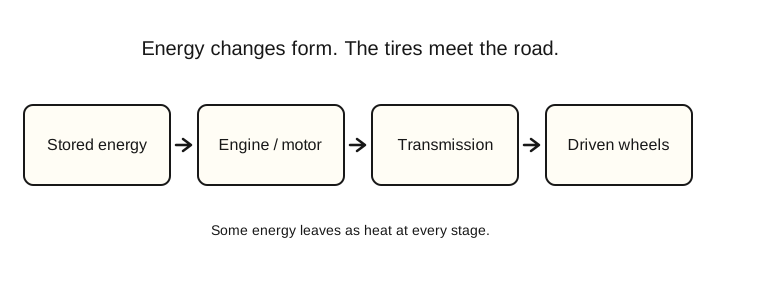
How does a car actually move?
Follow the energy from a fuel tank or a battery all the way to the road.
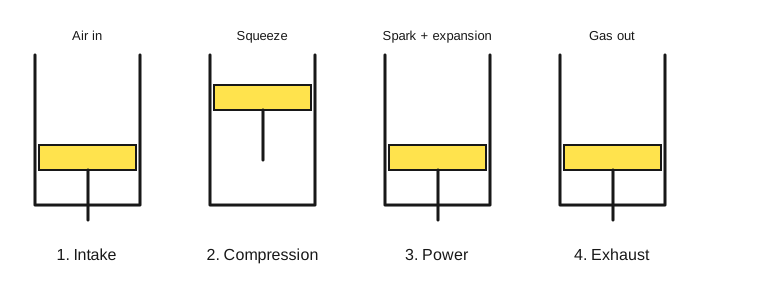
Why an engine needs fuel and air
A tank of fuel is only half the story. Learn what happens inside a gasoline engine.
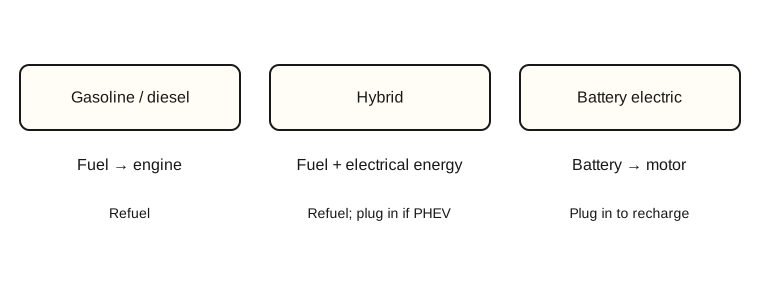
Gasoline, diesel, hybrid, or electric?
Compare how each type stores energy, drives the wheels, and fits into daily life.
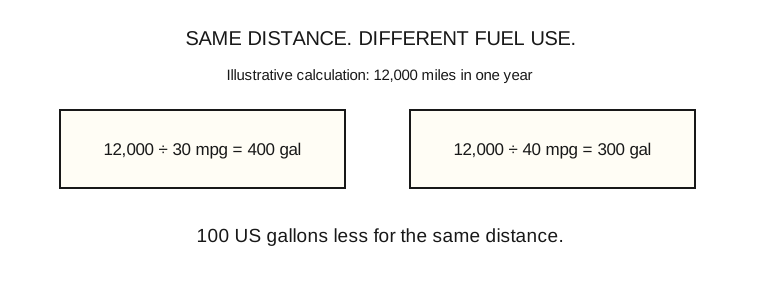
How to read fuel economy figures and labels
Separate fuel economy, energy consumption, and running cost before comparing two cars.
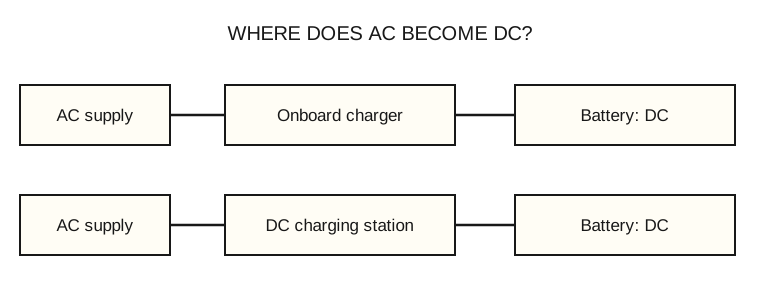
How EV charging works: plugs, power, and time
Understand AC and DC charging, the limits of a power rating, and what to check before buying.
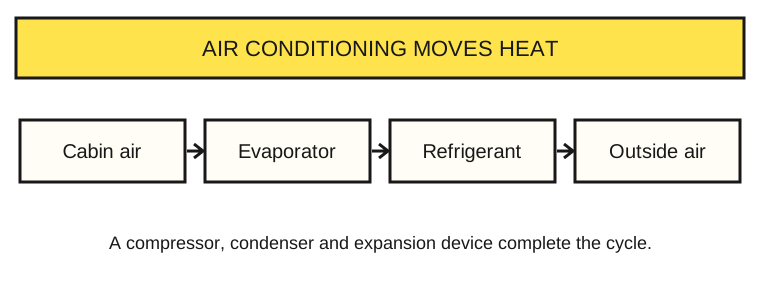
How car air conditioning and heating work
Separate moving air, moving heat, and generating heat before judging a climate-control problem.
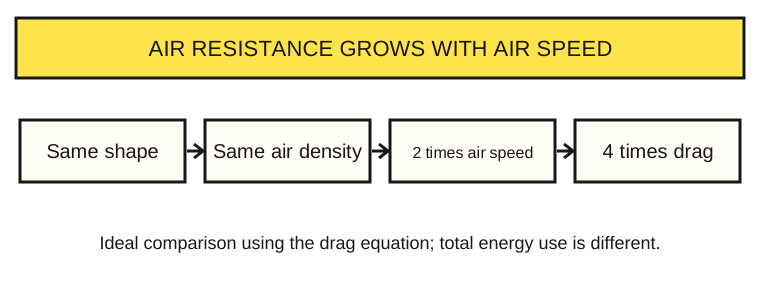
Why speed and body shape affect energy use
Understand air resistance and why a low drag coefficient does not tell the whole efficiency story.
Engines & power
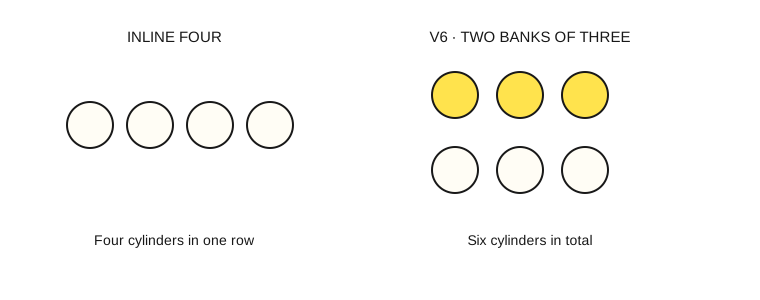
Cylinders, pistons, and the meaning of V6
Read engine layouts without needing to memorize a catalog of engine names.
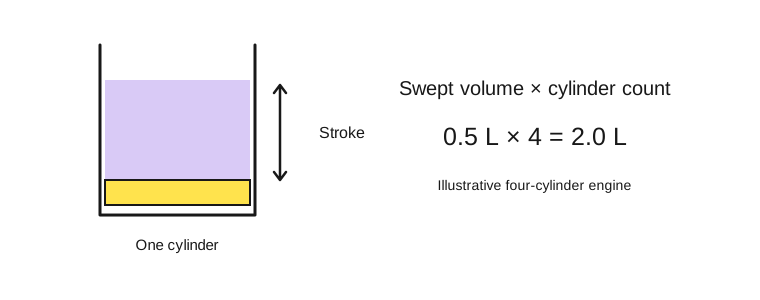
What does a 2.0-liter engine mean?
Liters describe a volume inside the engine. They do not tell the whole performance story.
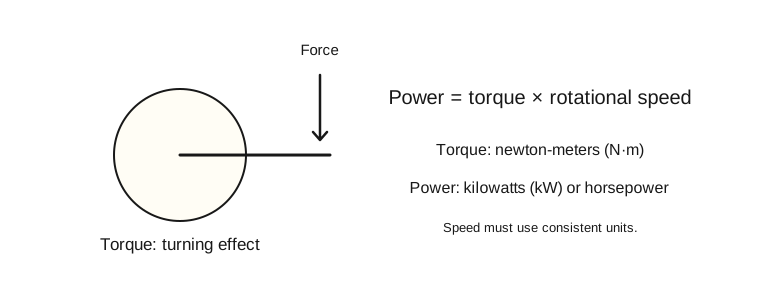
Horsepower and torque: two different measurements
Understand turning force, rate of work, and what a peak number leaves out.
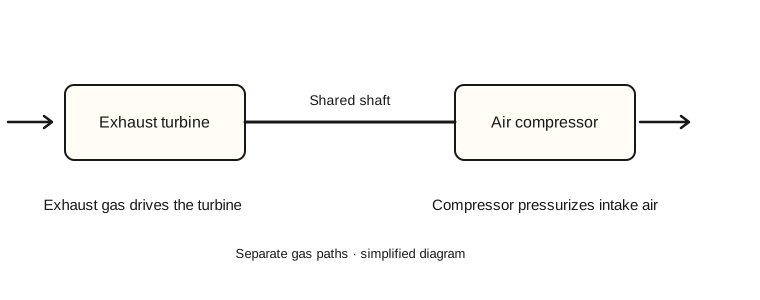
What a turbocharger does
Follow the exhaust-powered device that helps a smaller engine make more power.
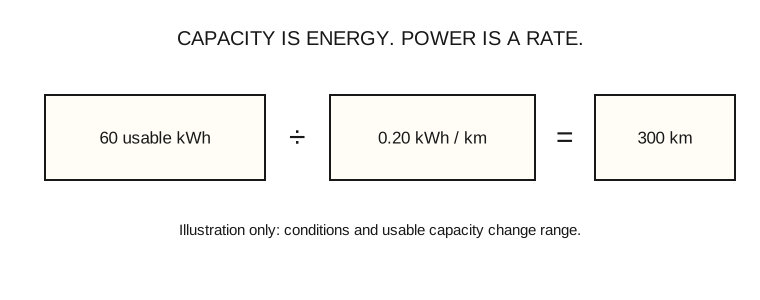
Battery capacity, charging power, and driving range
Tell energy storage apart from power, and understand why a range estimate can change.
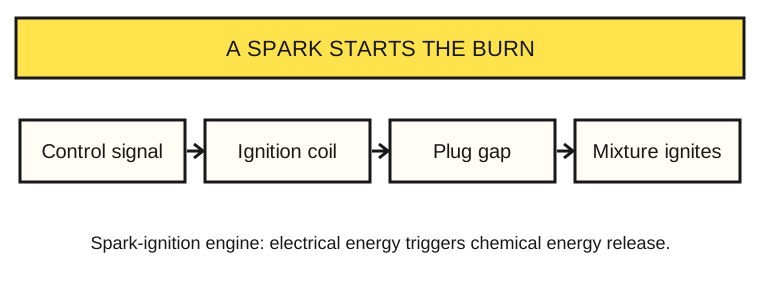
Spark plugs and ignition: starting the burn
See why a gasoline engine needs a timed spark and what a misfire can tell you.
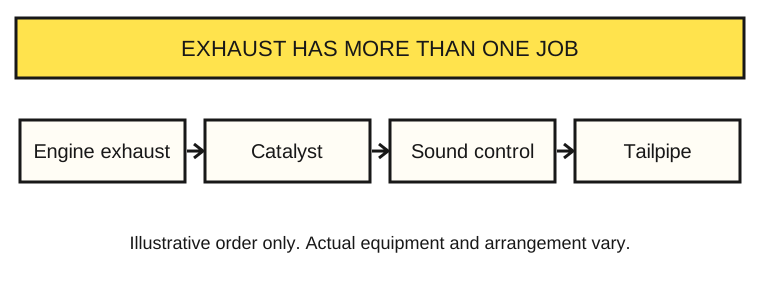
Exhaust systems: more than a pipe and a silencer
Separate gas flow, noise control, pollution treatment, and the checks a buyer should request.
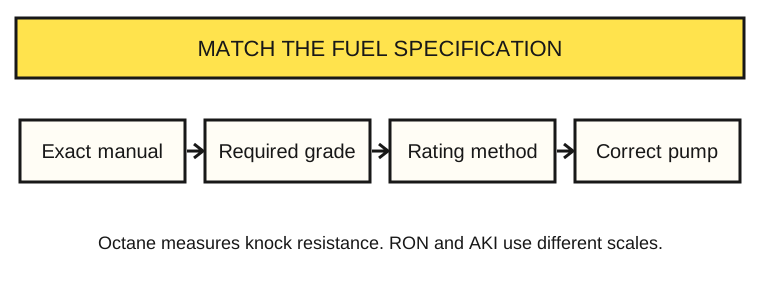
Octane: what regular and premium gasoline mean
Read the required gasoline grade correctly, including the different rating methods used on pump labels.
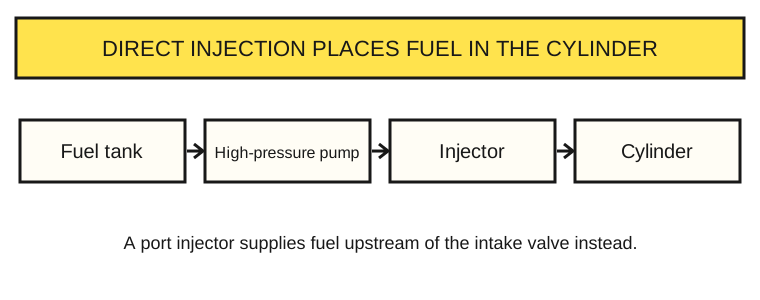
Direct and port fuel injection: where the gasoline enters
Follow the fuel to its injector and distinguish injection type from turbocharging or engine size.
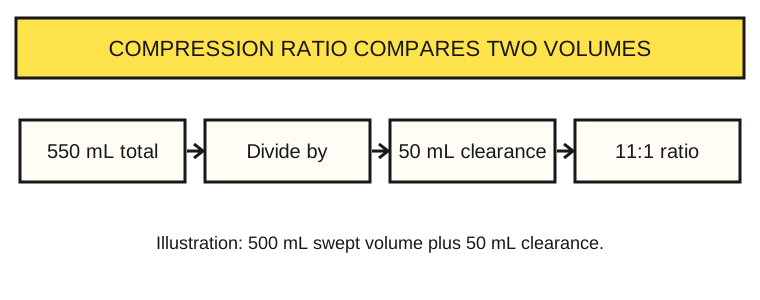
Compression ratio is different from engine size
Understand a ratio such as 11:1 without confusing it with displacement, boost, or a workshop compression test.
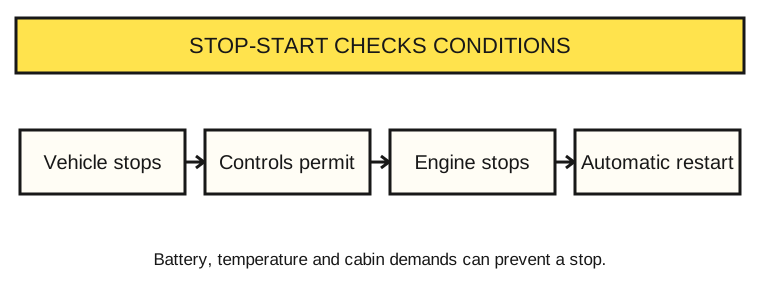
Why an engine can stop and restart automatically
Separate a normal automatic stop from a stall, and learn why operating conditions can keep the engine running.
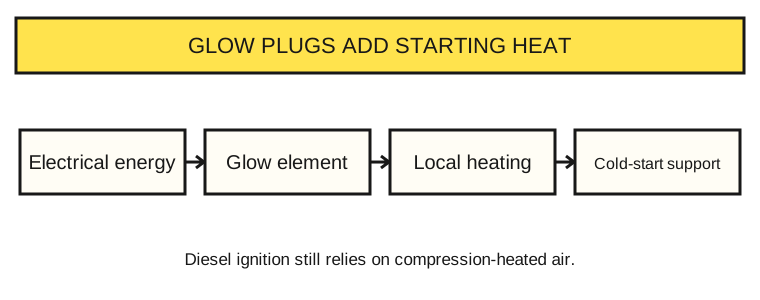
What glow plugs do when a diesel engine starts
Understand electrical starting heat without confusing a glow plug with a gasoline spark plug.
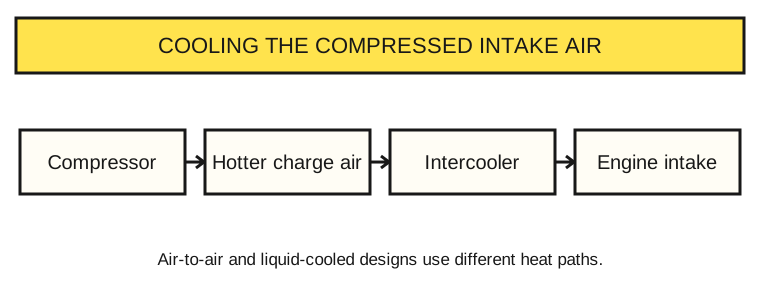
Why a turbocharged engine may need an intercooler
Follow compressed intake air through a heat exchanger before it reaches the engine.
How cars move
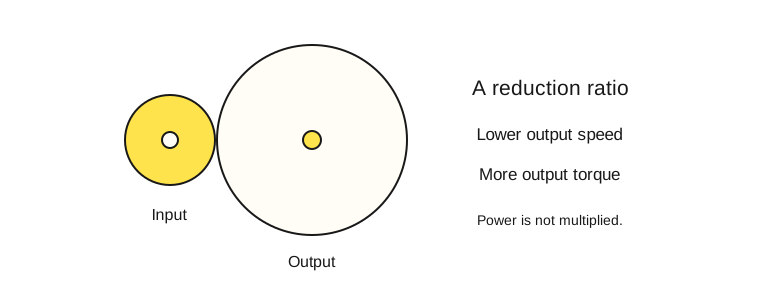
Why a car needs a transmission
Learn what changes when a car shifts gear, and how common transmission types differ.
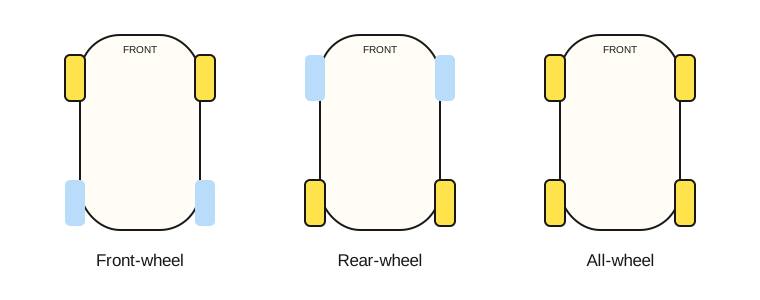
Front-wheel, rear-wheel, or all-wheel drive?
Separate driven wheels from steering wheels, and understand the limits of extra traction.
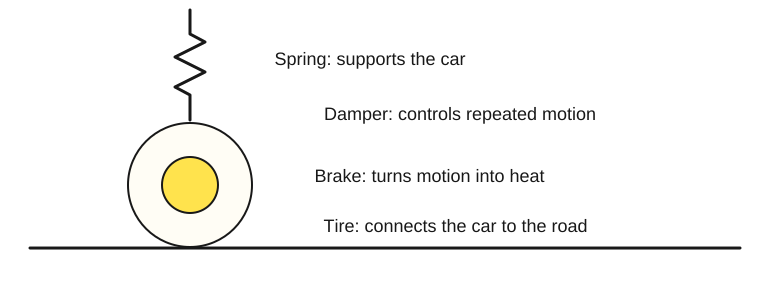
The four systems that keep you in control
See how braking, tires, steering, and suspension work together at the road surface.
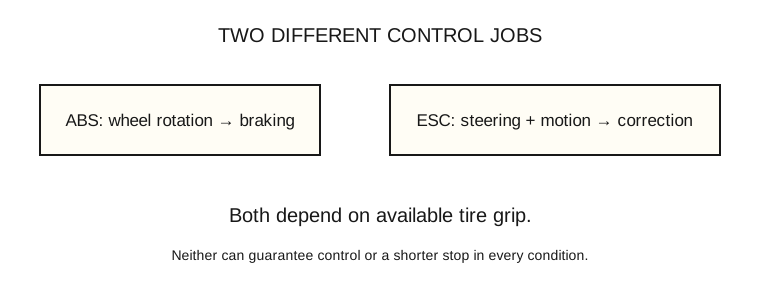
ABS and stability control: what they actually control
Understand the different jobs of anti-lock braking and electronic stability control—and their shared limits.
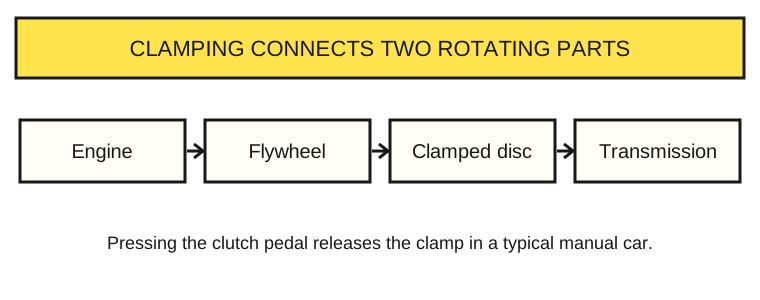
What the clutch does in a manual car
Understand engagement, slipping, and why a pedal symptom is only the start of a diagnosis.
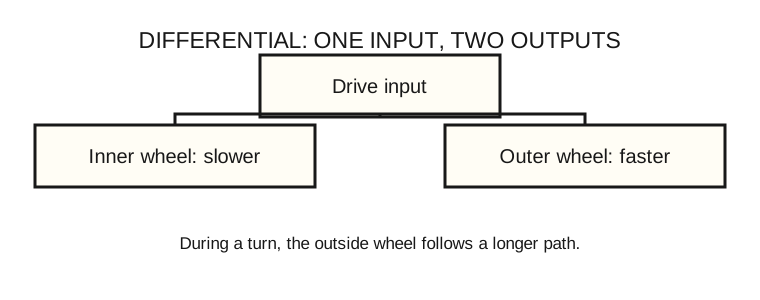
Why driven wheels need a differential
Follow the inner and outer wheel through a turn, then separate open, limited-slip, and locking designs.
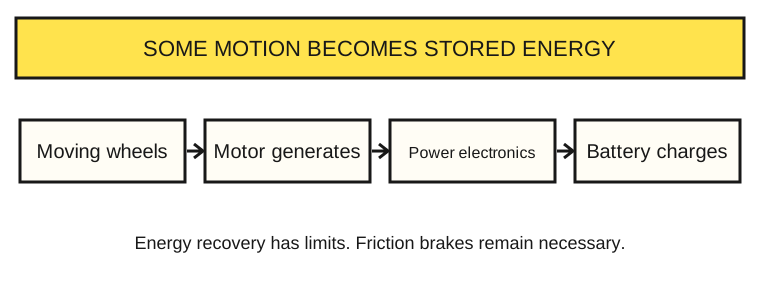
Regenerative braking: recovering some energy as you slow
See how an electric motor can generate electricity and why the car still needs friction brakes.
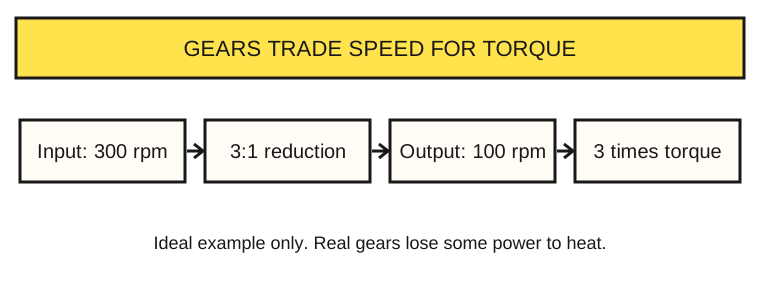
Gear ratios: trading rotational speed for torque
Make sense of a 3:1 reduction and why more wheel torque does not mean free extra power.
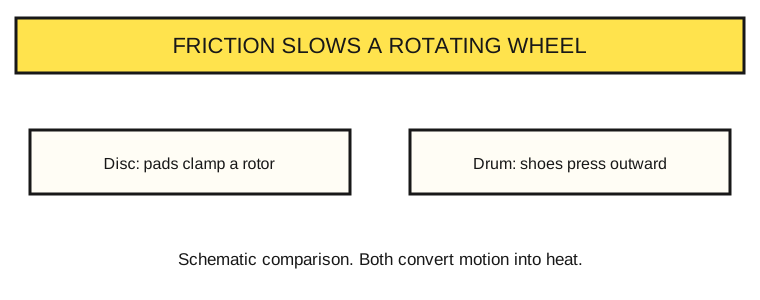
Disc and drum brakes: two ways to use friction
Meet the pads, shoes, discs, and drums that help turn motion into heat.
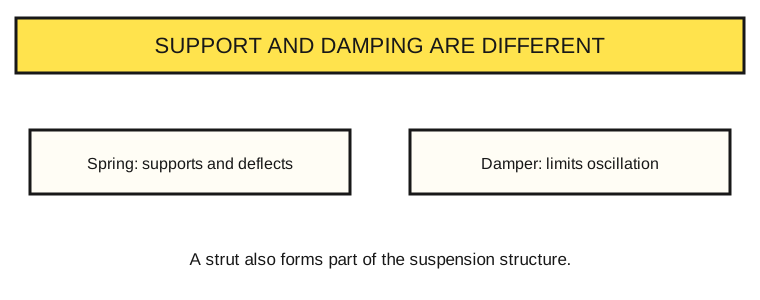
Springs, dampers, and struts do different jobs
Separate supporting the car from controlling its repeated movement over bumps.
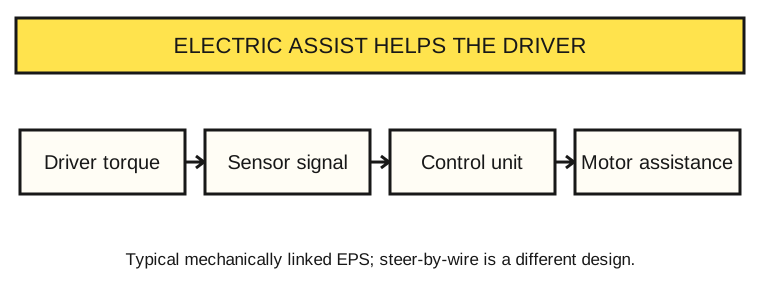
Electric power steering: assistance at the wheel
Understand the sensor, controller, and motor that reduce steering effort without replacing tire grip.
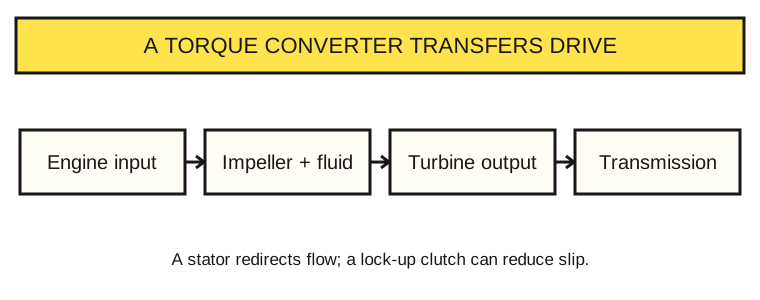
What a torque converter does in an automatic car
Follow the fluid coupling between the engine and transmission, then meet its lock-up clutch.
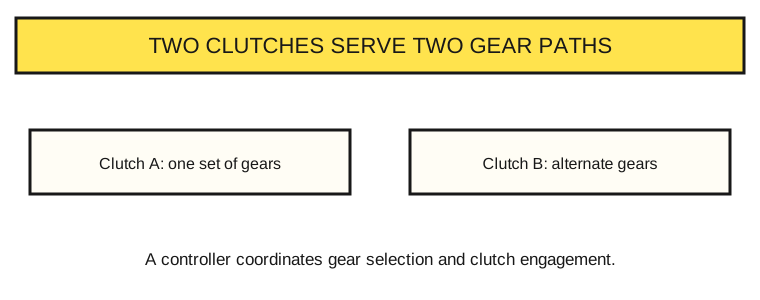
How a dual-clutch automatic changes gear
Understand the two gear paths, electronic preselection, and the buying questions behind the acronym.
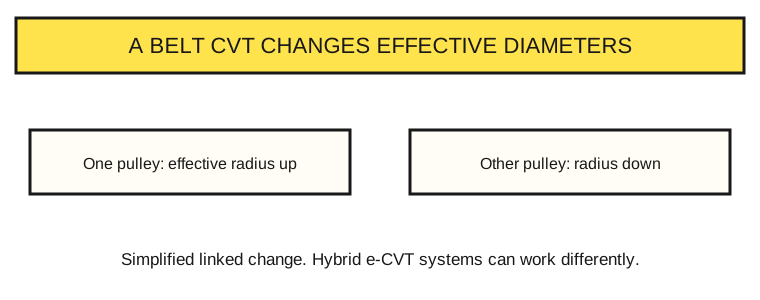
How a belt continuously variable transmission changes ratio
Understand changing pulley diameters and why a hybrid e-CVT may use a different mechanism.
Care & maintenance
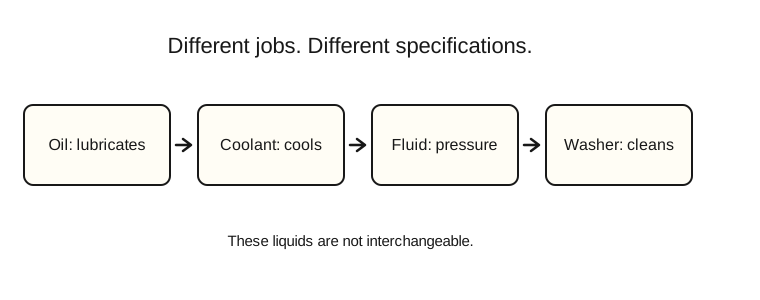
Why cars need oil, coolant, and other fluids
Different fluids do different jobs. The right specification matters more than the color.
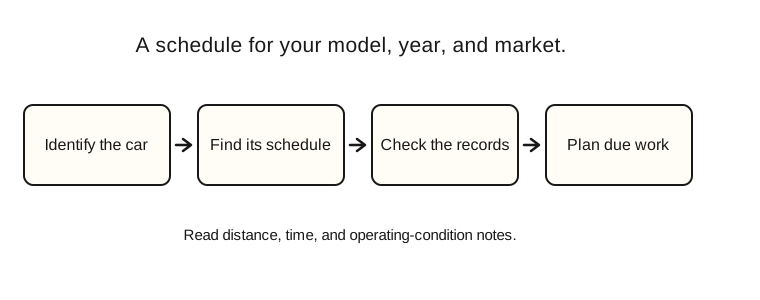
What maintenance does a car need—and why?
Find the right service schedule instead of relying on a universal list of intervals.
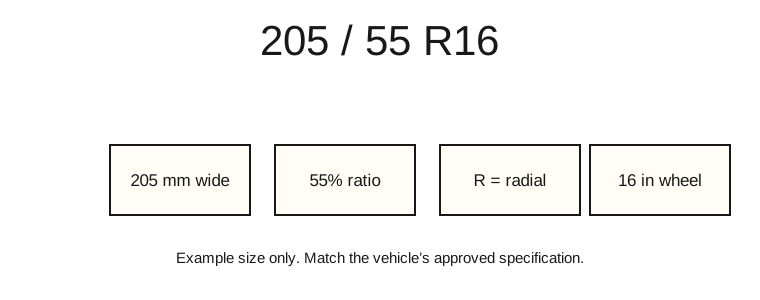
How to read a tire—and find the right pressure
Decode tire sizes, separate tire markings from vehicle instructions, and ask useful replacement questions.
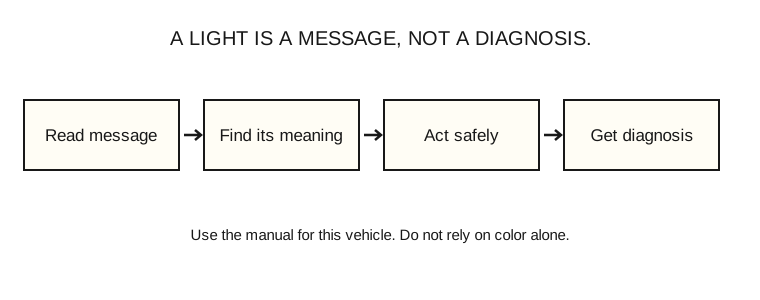
What dashboard warning lights can—and cannot—tell you
Separate a maintenance reminder from a fault warning, and know what evidence to request before buying.
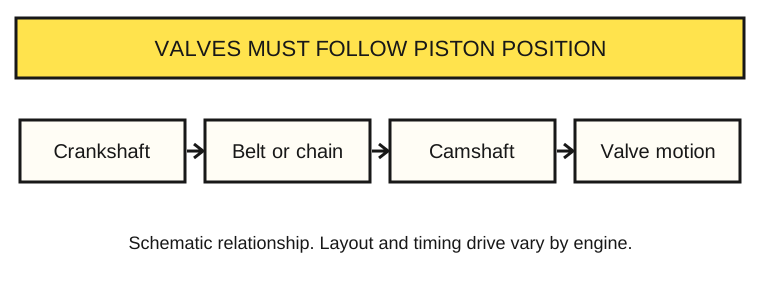
Timing belts and chains: why the engine must stay in step
Understand the link between pistons and valves, and why replacement records matter.
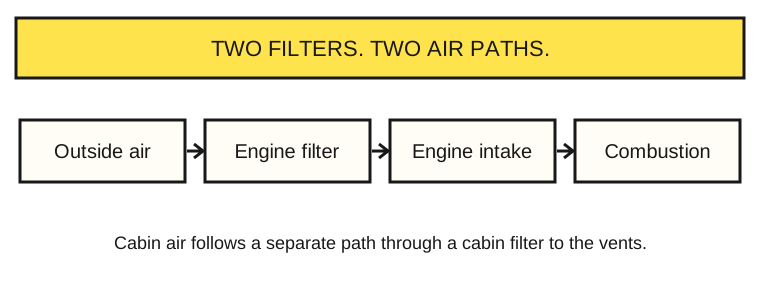
Engine and cabin air filters do different jobs
Follow the air going to the engine and the separate air going to the people inside.
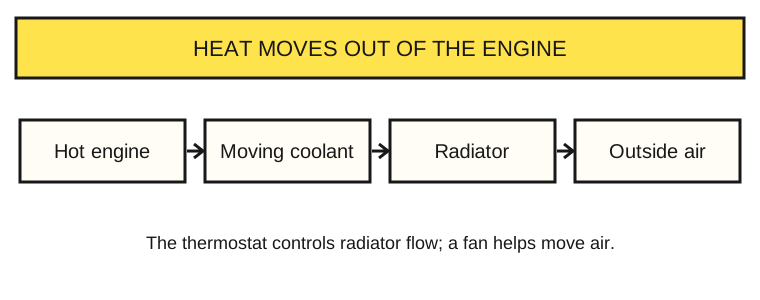
How the engine cooling system moves heat
Understand the pump, thermostat, radiator, and fan without treating every temperature problem as the same fault.
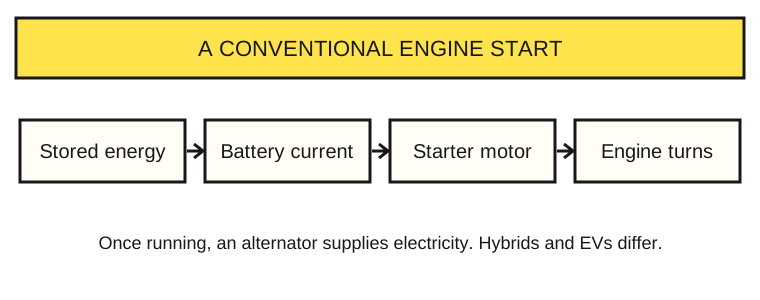
The starter battery, starter motor, and alternator
Learn which part stores electricity, which turns the engine, and which generates electricity while it runs.
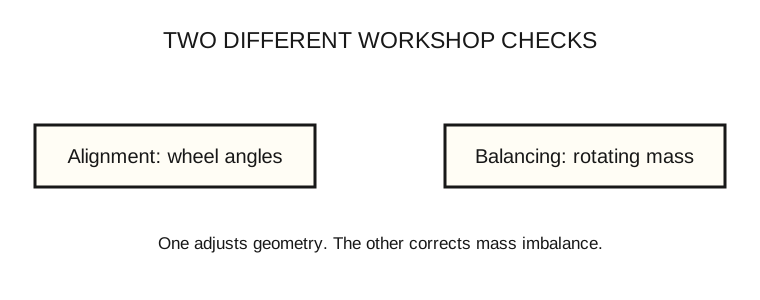
Wheel alignment and balancing are different jobs
Separate wheel angles from rotating mass, and learn why a vibration needs more than a guess.
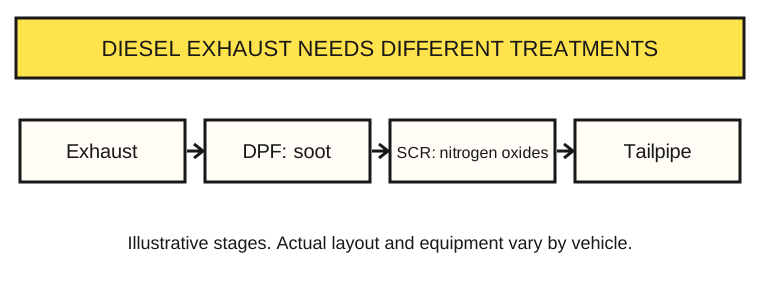
Diesel particulate filters and exhaust fluid explained
Distinguish soot filtration, filter regeneration, and the separate treatment of nitrogen oxides.
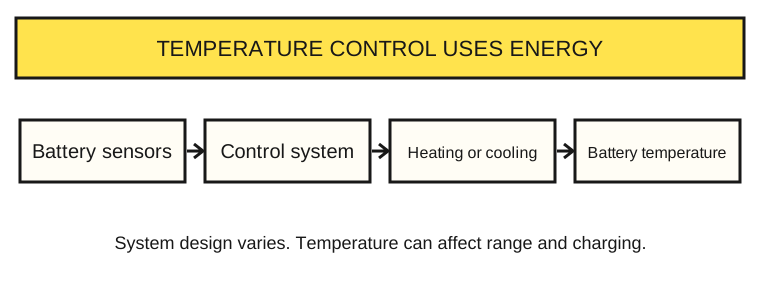
Why an electric car manages battery temperature
Connect battery heating and cooling with range, charging speed, and inspection questions.
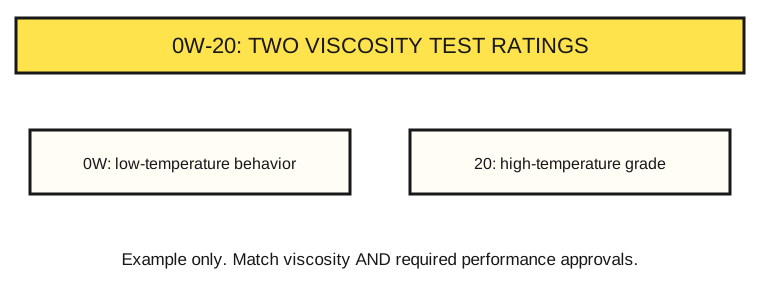
Engine oil grades: what 0W-20 does and does not tell you
Read viscosity separately from performance approvals and the vehicle’s required oil specification.
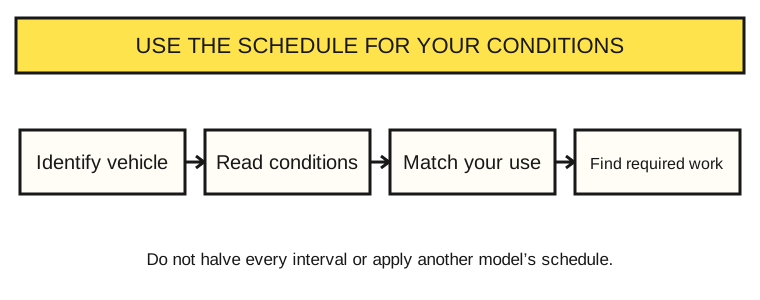
Why your driving conditions can change the maintenance schedule
Match the schedule to the car and its actual use instead of applying one shorter interval to everything.
Buying with confidence
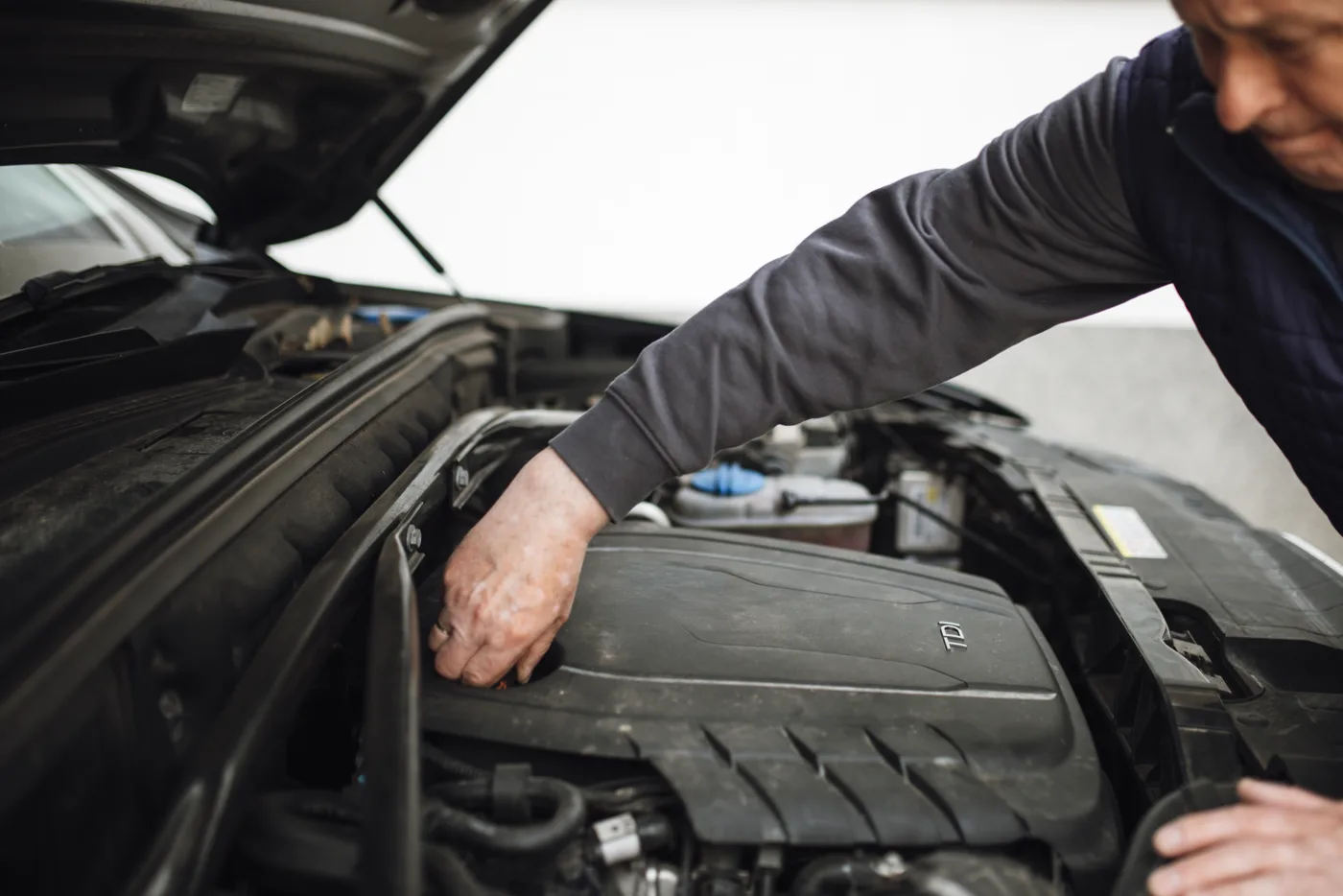
 Ryan Pouncy · CC0 · cropped
What mileage, age, and service history really tell you
Look beyond a single odometer number and build a picture from several kinds of evidence.
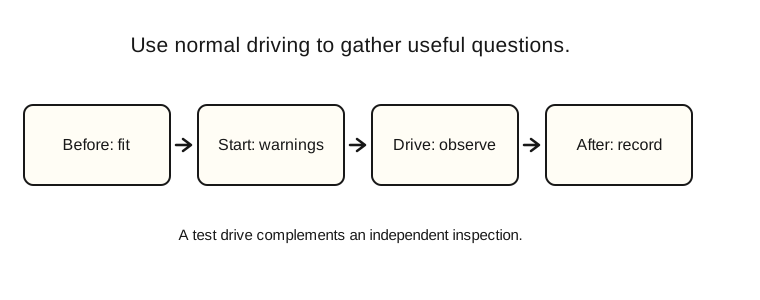
What to notice on a test drive
A calm, repeatable checklist for checking the fit and spotting questions worth investigating.
 Nenad Stojković (Shixart1985) · CC BY 2.0 · cropped
What a professional inspection should cover
Agree the scope, understand the limits, and ask for a written report before you commit.
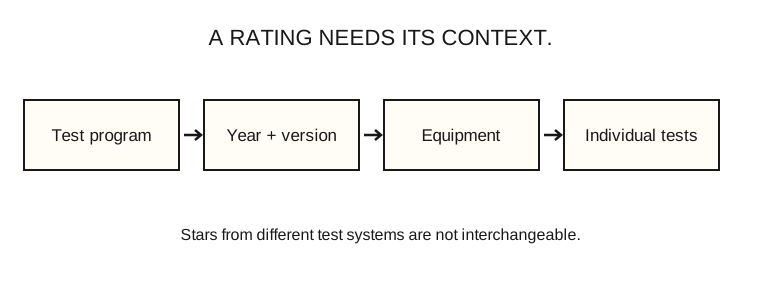
How to read crash-test and safety ratings
Match a safety score to its test program, year, equipment, and comparison limits.
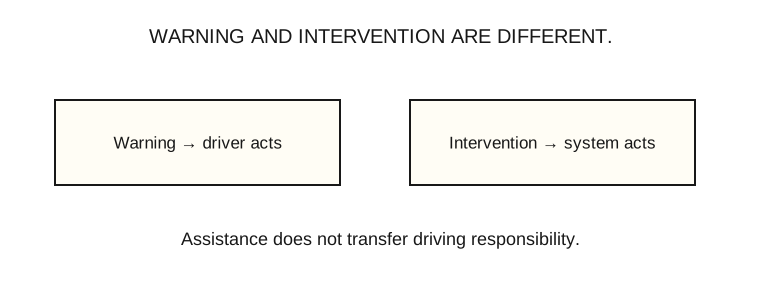
Driver assistance: warnings, interventions, and limits
Translate feature names into actual functions without mistaking assistance for autonomous driving.
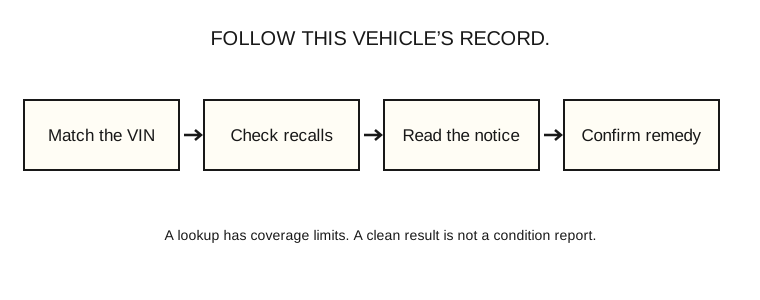
Use the VIN to check recalls before buying
Match the car to its records, understand recall-lookup limits, and ask for evidence of completed work.
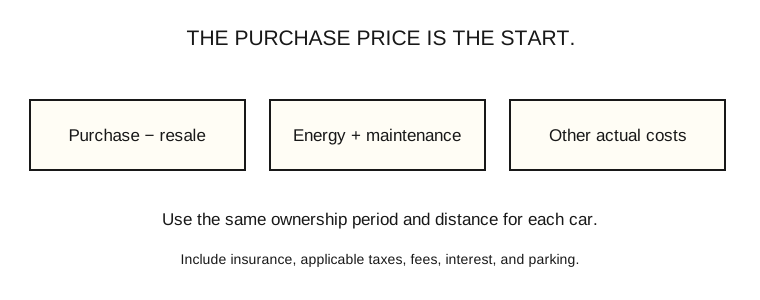
What a car costs beyond the purchase price
Build a clear ownership comparison using your distance, local prices, and the actual car’s needs.
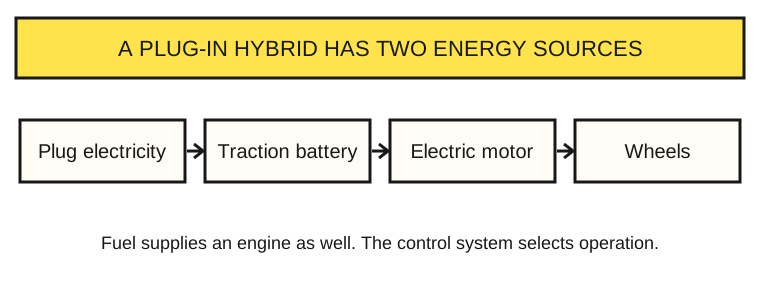
Will a plug-in hybrid fit your daily driving?
Connect charging access, daily distance, engine operation, and maintenance before comparing a plug-in hybrid.
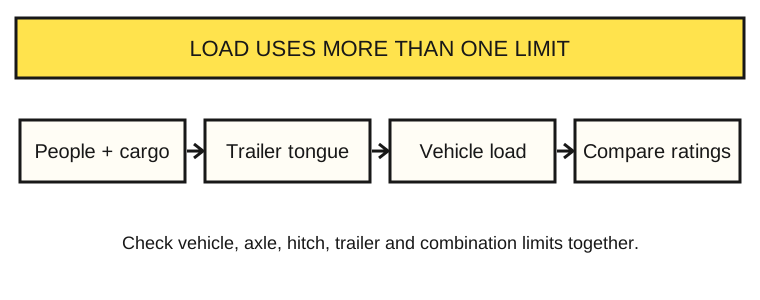
Payload and towing capacity: two different limits
Count people, luggage, accessories, and trailer tongue load before relying on an advertised towing maximum.
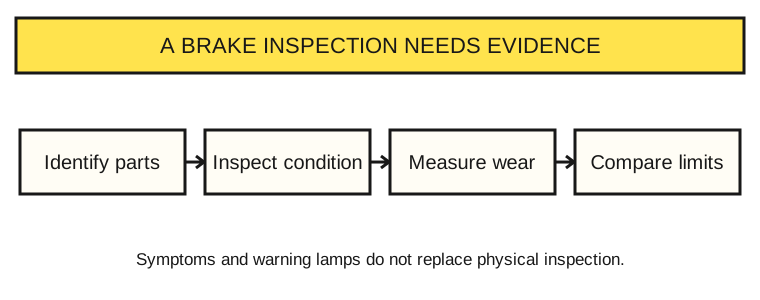
What a brake inspection should tell a buyer
Ask for measured wear, component condition, and a clear repair scope rather than a guess at remaining life.
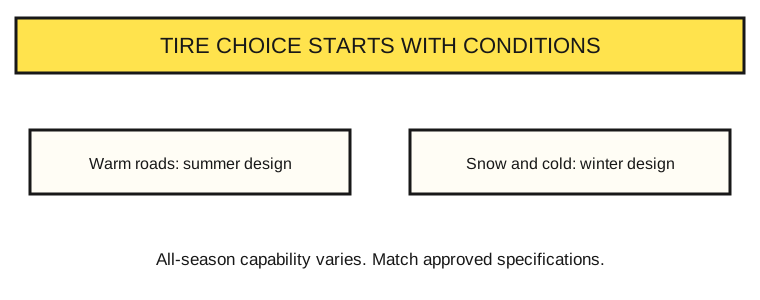
Summer, winter, and all-season tires: choose for the conditions
Look beyond tread depth to the tire’s intended weather, size, condition, and vehicle approval.
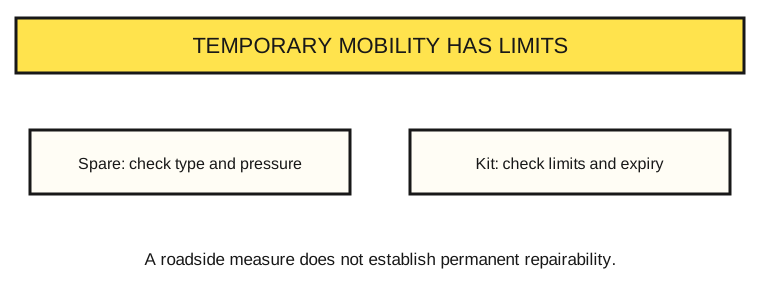
What replaces a flat tire: spare wheels and mobility kits
Check the actual roadside equipment before assuming the car carries a usable spare.
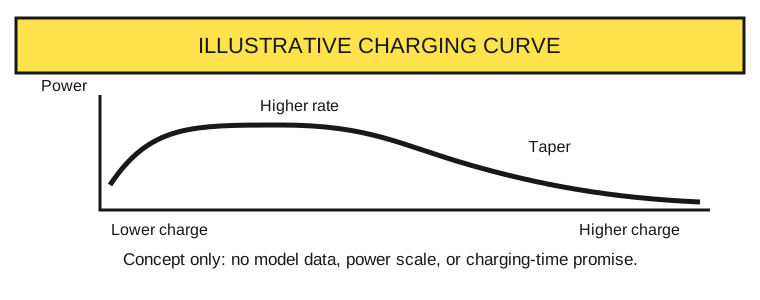
Why an electric car does not charge at peak power all the time
Compare useful charging sessions rather than treating a peak kilowatt figure as a constant rate.
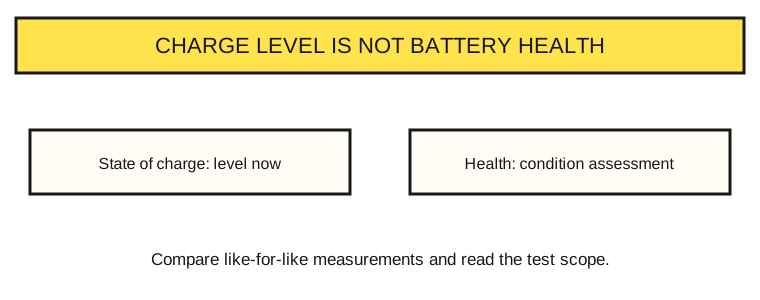
What battery health information can tell a used-EV buyer
Separate current charge, retained capacity, displayed range, and the scope of a battery test.
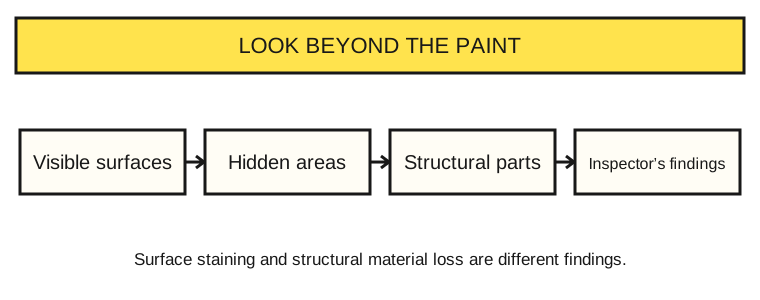
Rust on a used car: why location matters
Distinguish a visible surface concern from damage that affects structure, mountings, or safety components.
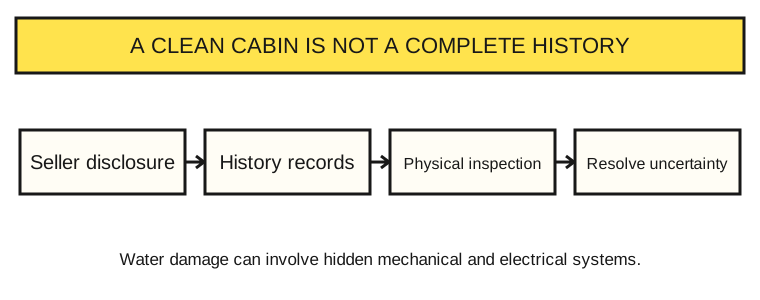
Flood damage: why cleaning and a history report are not enough
Combine records, visible clues, and a qualified inspection while keeping uncertainty explicit.
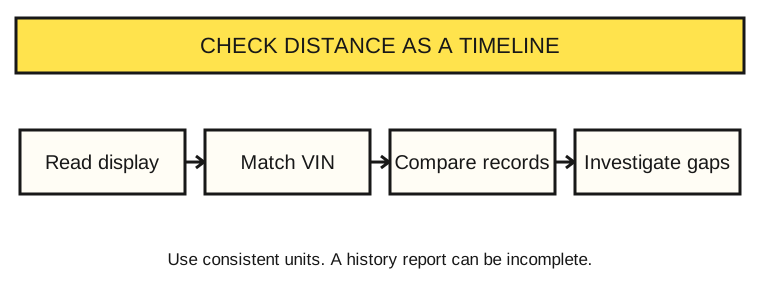
How to read a used car’s odometer history
Build a distance timeline from matching records and investigate inconsistencies without jumping to conclusions.
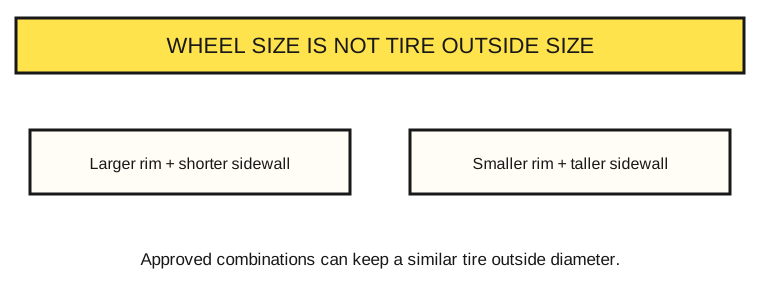
Wheel size, tire sidewalls, and ride comfort
Separate rim diameter from tire outside diameter before judging a wheel package or modification.