Car basics: understand how a car works
Start with energy and movement. Connect engines, electric motors, fuel economy, and charging before comparing cars.
Follow the reading pathSource-checked October 23, 2026. Editorial policy and review limits.
Begin with the whole car
Follow the energy, then meet the parts
A useful first question is: where does this car store its energy? A gasoline car carries fuel in a tank. Its engine burns fuel mixed with air to produce mechanical work. An all-electric car stores energy in a large battery. Electricity from that battery powers a motor that turns the wheels through the drive system.
You do not need to memorize a parts list before learning this chain. Start with the energy store, identify the engine or motor, then follow the connection to the wheels. Once those roles are clear, an unfamiliar component has somewhere to fit in your understanding.
Sources: U.S. Department of Energy · U.S. Department of Energy
Use the same questions for different cars
Ask what makes the car move, how it replenishes its energy, and which documents explain its operation. These questions give you a useful way to compare a gasoline model with an electric one. Our powertrain guide adds diesel engines and hybrids to that picture. A powertrain is the group of components that produces and delivers driving power.
The aim is to understand a particular car well enough to investigate it. Keep the exact model, year, and version beside you when reading an advertisement. Use the beginner explanations to identify unfamiliar words, then confirm the seller’s claims in the manufacturer’s documentation.
Sources: U.S. Department of Energy · U.S. Department of Energy
Start here. Build one idea at a time.
Read these four explanations first. Then use the remaining articles to investigate the questions that matter to your own trips.
How does a car actually move?
Build the main picture: stored energy becomes movement through several connected systems. This gives the later details a purpose.
Why an engine needs fuel and air
Look inside the gasoline engine. Understand what the fuel and air each contribute before learning engine names and specifications.
Gasoline, diesel, hybrid, or electric?
Compare gasoline, diesel, hybrid, and electric arrangements. Use the same basic questions for each design.
How to read fuel economy figures and labels
Connect the mechanism to information in a listing. Learn what the efficiency figures describe and which units belong in a fair comparison.
Common misunderstandings
Every car has the same main components
An all-electric car uses an electric motor instead of a combustion engine. Begin by identifying the type of powertrain, rather than assuming an engine diagram describes every vehicle.
Explore this in the full explanation →
Understanding a diagram tells me the car’s condition
A diagram explains a mechanism. A particular used car still needs records, a careful viewing, and an appropriate inspection. Use basic knowledge to prepare questions for that assessment.
All 7 explanations in this topic
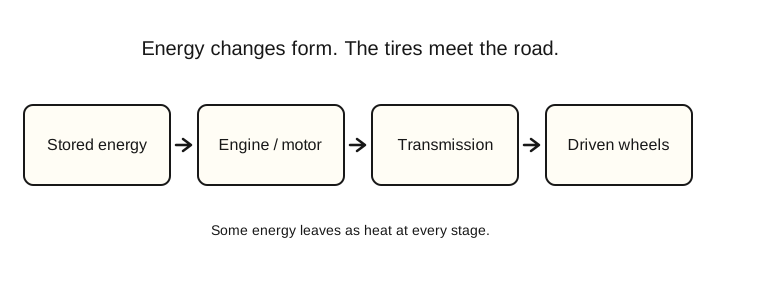
How does a car actually move?
Follow the energy from a fuel tank or a battery all the way to the road.
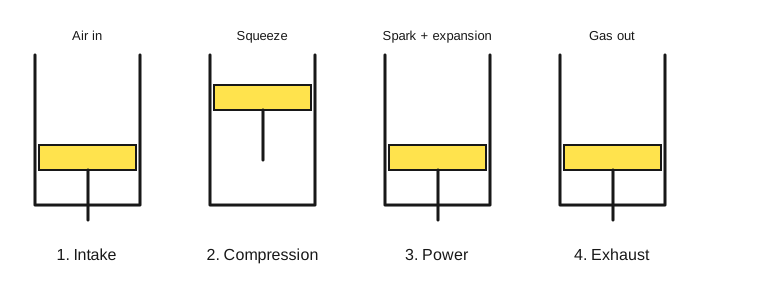
Why an engine needs fuel and air
A tank of fuel is only half the story. Learn what happens inside a gasoline engine.
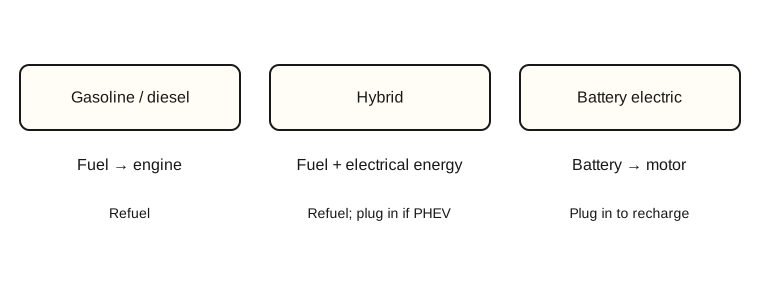
Gasoline, diesel, hybrid, or electric?
Compare how each type stores energy, drives the wheels, and fits into daily life.
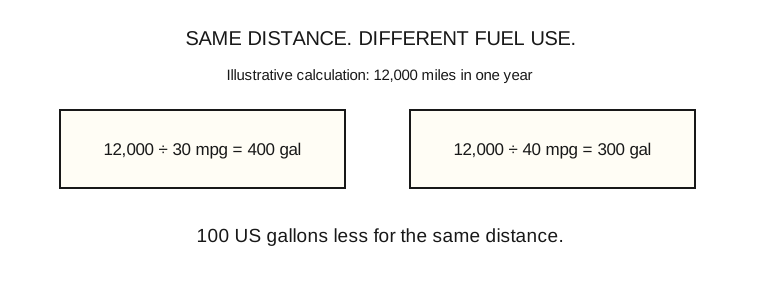
How to read fuel economy figures and labels
Separate fuel economy, energy consumption, and running cost before comparing two cars.
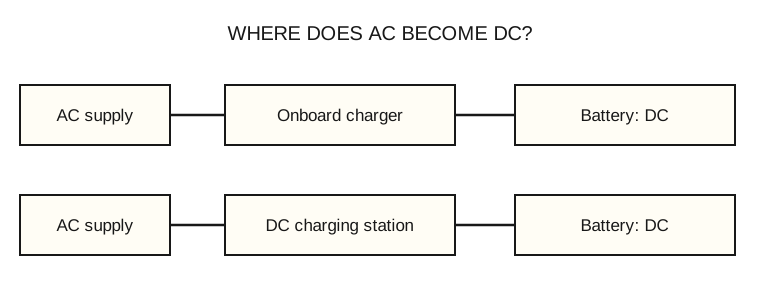
How EV charging works: plugs, power, and time
Understand AC and DC charging, the limits of a power rating, and what to check before buying.
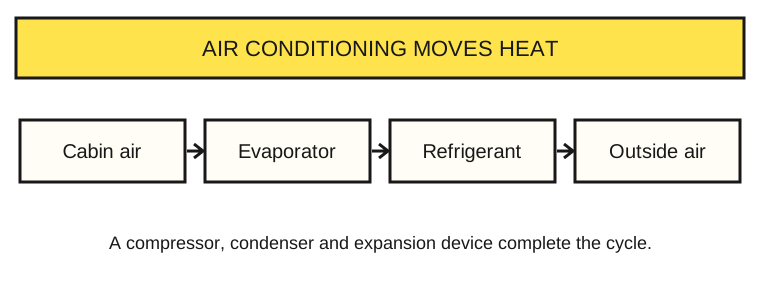
How car air conditioning and heating work
Separate moving air, moving heat, and generating heat before judging a climate-control problem.
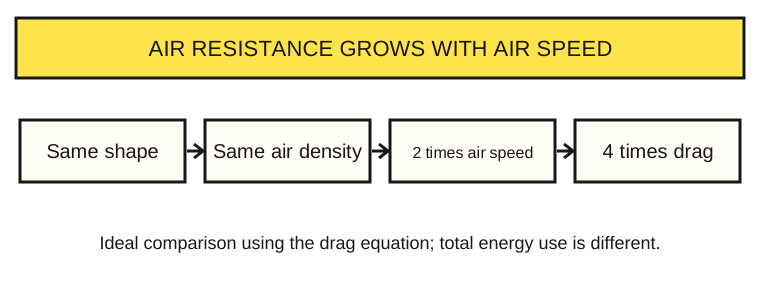
Why speed and body shape affect energy use
Understand air resistance and why a low drag coefficient does not tell the whole efficiency story.
Sources and review
Source-checked October 23, 2026. These original summaries use the references below. The linked articles explain each mechanism in more detail and carry their own supporting citations. Review means checking against cited evidence; it is not an independent professional inspection or engineering certification.
- How Do Gasoline Cars Work?
U.S. Department of Energy · Alternative Fuels Data Center · Introduction and Key Components of a Gasoline Car · Accessed 2026-10-23. Use and rights record.
- How Do All-Electric Cars Work?
U.S. Department of Energy · Alternative Fuels Data Center · Introduction and Key Components of an All-Electric Car · Accessed 2026-10-23. Use and rights record.
This is a conceptual introduction. The linked guides distinguish general mechanisms from vehicle-specific features, efficiency tests, and charging arrangements. All prose is original; no source illustration is reproduced.
Connect this topic to the next
Prefer one route through the whole site? Follow the complete beginner learning path.