The short answer
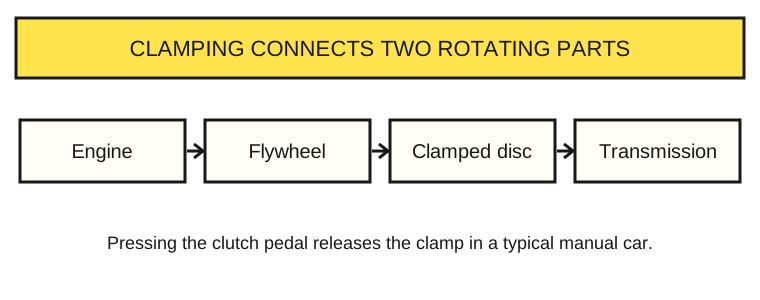
A clutch lets the engine connect to or disconnect from the transmission. In a typical manual car, a pressure plate clamps a friction disc against the engine’s flywheel. Pressing the clutch pedal releases the clamp. This allows the engine and transmission input to rotate at different speeds during starting and gear changes.
Friction joins two rotating parts
The engine can idle while the car stands still. It therefore needs a way to keep turning without forcing the driven wheels to turn. Releasing the clutch clamp interrupts the intended drive connection between the engine and transmission. The pedal operates a release mechanism through a cable or hydraulic system, depending on the car.
As the driver lets the pedal rise, the clamp progressively applies force. For a short period the friction surfaces can turn at different speeds. This slipping allows a smooth start. Once fully engaged under suitable conditions, the parts turn together and carry torque toward the transmission.
Sources: ZF Aftermarket / SACHS ↗ · U.S. Environmental Protection Agency ↗
Slipping has a useful role and a cost
Friction during slip converts some mechanical energy into heat. Controlled slip during a normal start differs from a clutch that keeps slipping when it should be fully engaged. Wear, contamination, or a release-system problem can affect operation. Pedal position alone cannot identify the fault or predict the remaining life.
A clutch that does not release fully can also cause difficulty changing gear. The problem may involve its actuation system rather than only the friction disc. A repair estimate should explain the diagnosis and the components included. Some jobs also involve checking the flywheel and related release parts.
Sources: ZF Aftermarket / SACHS ↗ · ZF Aftermarket / SACHS ↗
Common misunderstandings
A high or low engagement point is not a universal wear gauge. Release mechanisms and adjustment designs differ. Compare behavior with the correct vehicle information rather than a rule that all pedals should feel the same.
A clutch is not exclusive to cars with a clutch pedal. Some automated transmissions use clutches operated by controls. Their arrangements, maintenance requirements, and low-speed behavior differ from this explanation of a typical manual car. Identify the actual transmission before applying advice about how it should feel.
Sources: ZF Aftermarket / SACHS ↗ · U.S. Environmental Protection Agency ↗
Learning the clutch in my 30s
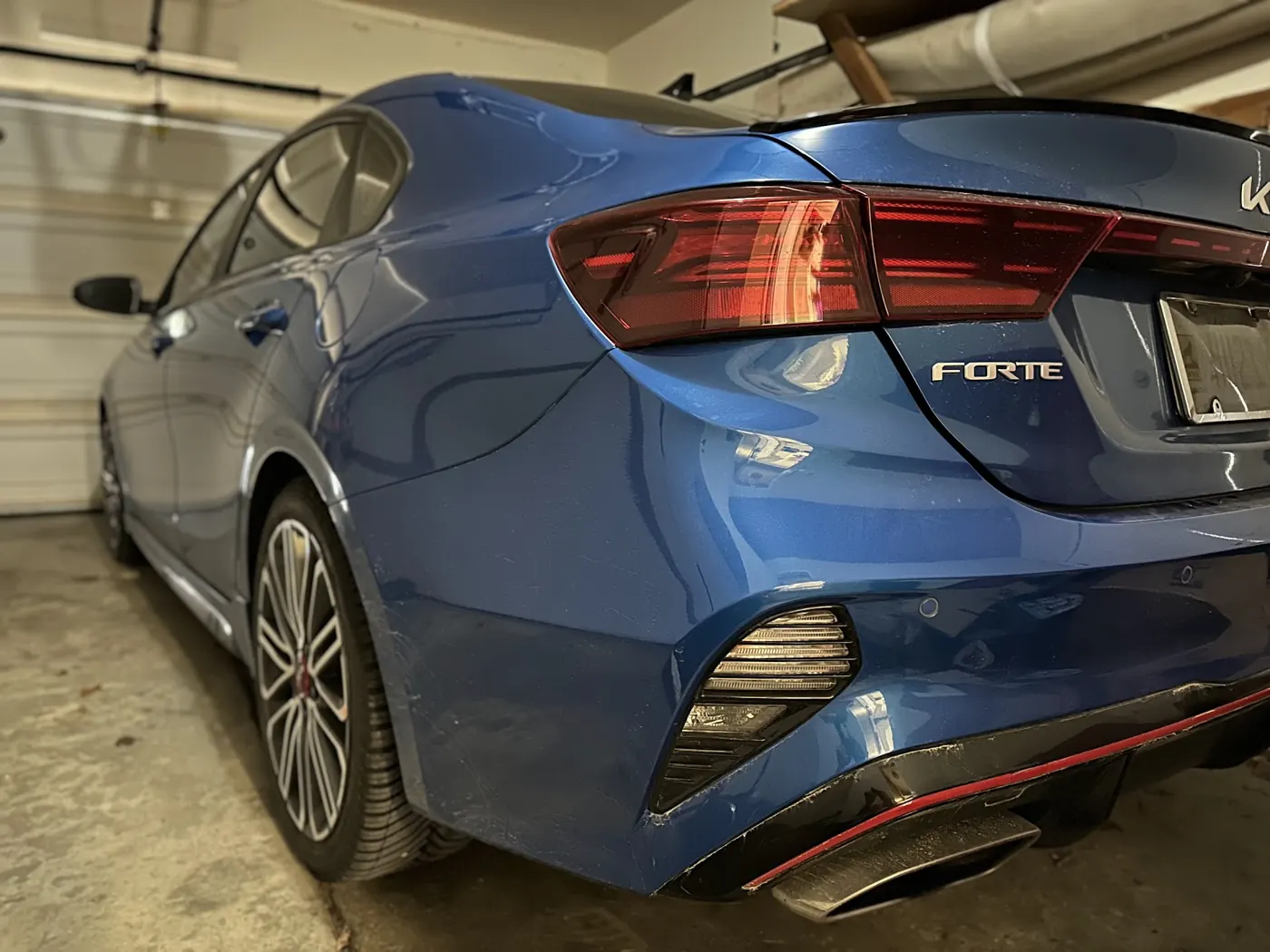
I didn’t learn to drive a manual until I was in my 30s. I thought it would be fun, so when I had the chance to buy a new car I bought a Kia Forte GT with a stick shift, one of the few new cars I could still get that way. I named it Fifi. A friend taught me a little, but most of my practice came from test driving other stick-shift cars before I bought one.
For the first couple of weeks I stalled quite a bit. It still happens from time to time. Stalling in busy traffic is scary, because you know the driver behind you is going to be upset. You get used to it.
What made it click was understanding that the clutch controls the connection between the engine, which makes the power, and the tires, which the car travels on. Once I got that, things came together.
Pedals are not all the same. The clutch pedal on my new car was much stiffer than on some of the used cars I test drove. Either I got used to it or it softened up over the years. A stiff pedal on a new car is not a fault, and a softer pedal on a used car is not proof that it is worn out.
On smelling the clutch. I’m always a little worried about this, so I’m careful not to leave the clutch halfway in for long. The only times I’ve smelled it were while teaching other people to drive stick.
How I teach it. I have the new driver put the car in neutral and rev the engine a few times. Then I tell them to push in the clutch, put it in first, and let the clutch out. I don’t tell them this will stall the car. The car jumps, stalls, and the driver is spooked. Then I say, “Okay, your first stall is done and out of the way, so you don’t have to worry about that anymore.” That usually helps with the rest of the lesson.
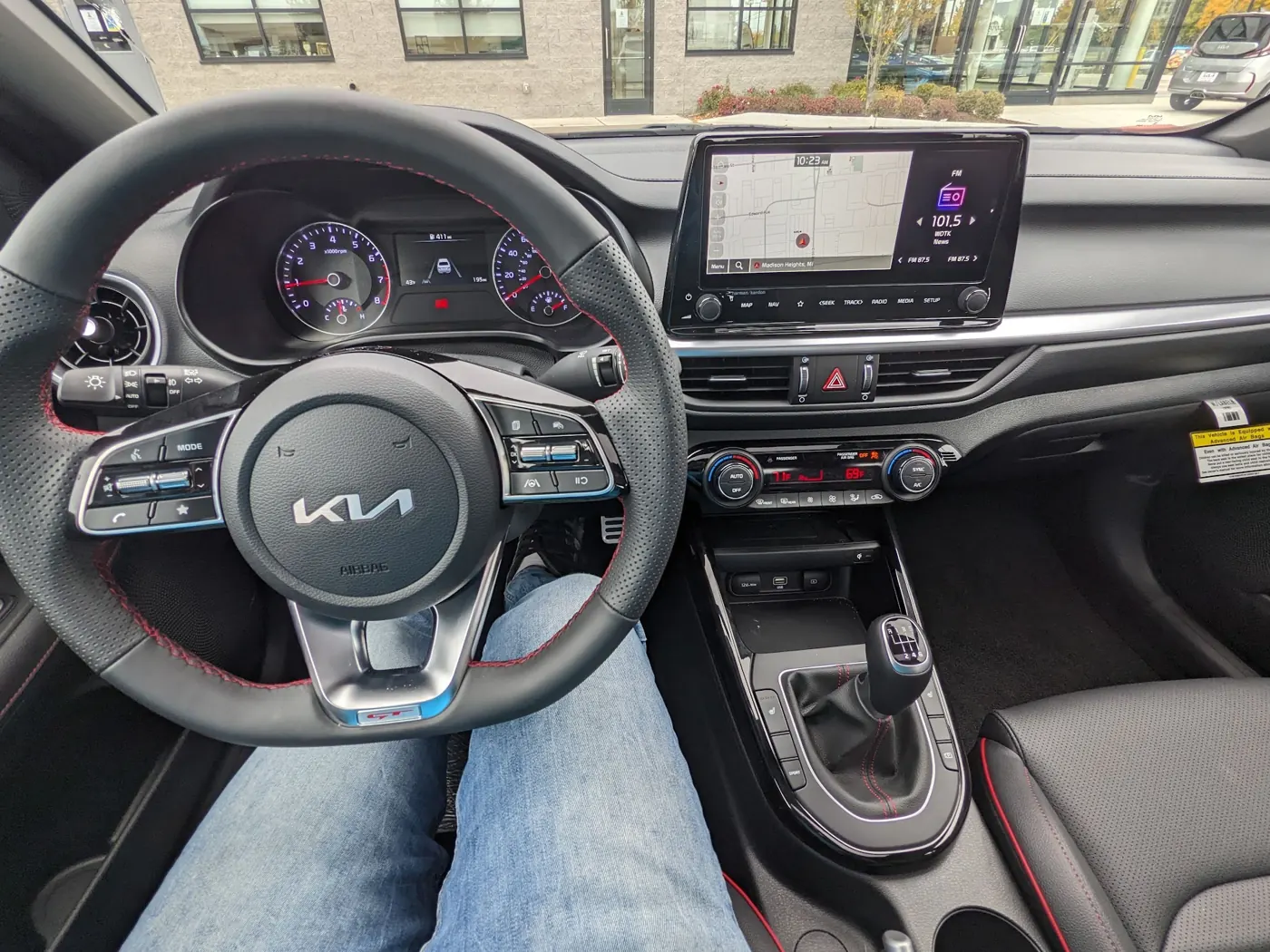
Should you buy one? Go for it. The Forte GT was a good car to learn on. People worry about getting fatigued in heavy traffic, and in my experience it isn’t bad. I’ve driven a lot of stop-and-go traffic. The only time it is rough is sitting in traffic on the way home from a hard leg day at the gym.
Four years and 70,000 miles later. The clutch has been very reliable. Sometimes I move the shifter before the clutch is all the way in and it makes a bad grinding sound. That hasn’t caused any apparent long-term damage.
Sources & review
Reviewed . Original educational explanation, checked against the sources below. This is general guidance; consult the documents for the exact vehicle, year, configuration, and market.
- Clutches for Passenger Cars and Light Commercial VehiclesZF Aftermarket / SACHS · Clutch disks; XTend clutch pressure plate; Function of the master/slave cylinder; Function of the clutch actuation system with cable control · Accessed 2026-10-22.
- Advanced Gasoline and Diesel VehiclesU.S. Environmental Protection Agency · Turbocharging and Advanced Transmissions · Accessed 2026-10-22.
- Clutch Doesn’t DisengageZF Aftermarket / SACHS · How-to-guide: release system faults, clutch disk interference and overheating · Accessed 2026-10-22.
- Buying a Used Car From a DealerFederal Trade Commission · Do Some Homework; Get an Independent Inspection Before You Buy; The Buyers Guide · Accessed 2026-10-22.